Public Sanitation in India
Understanding the crisis, exploring solutions, and building a sustainable future
A comprehensive, data-driven resource covering India's sanitation challenges, global best practices, technological innovations, and the path to universal access to dignified sanitation.
What You'll Learn
The Public Sanitation Crisis
Despite significant progress under the Swachh Bharat Mission, millions of Indians still lack access to dignified sanitation. The numbers tell a sobering story.
The Reality on the Ground
Swachh Bharat Mission Progress
Within 5 years, 100 million toilets were built, impacting the lives of 500 million people. Sanitation coverage in rural areas improved from 38.7% to 100% (claimed), but ground reality shows gaps.
The WHO estimates that SBM prevented 300,000 deaths and avoided 14 million DALYs (Disability-Adjusted Life Years) between 2014 and 2019 alone.
Geographic Disparities
Over 70% of those without a toilet live in just six states. The lowest socioeconomic status households are the least likely to have a toilet.
About one in four rural households still do not have or use a toilet facility, highlighting ongoing disparities in access to sanitation.
Sanitation Ladder Challenges
While many households now have toilets, the challenge has shifted to ensuring they are safely managed — meaning proper faecal sludge collection, treatment, and disposal.
Public and community sanitation facilities remain inadequate in most urban and rural areas, especially for women, children, and marginalized communities.
Global Best Practices
Countries around the world have pioneered innovative approaches to public sanitation. Here's what makes them exemplary models.
Japan
Technology Meets Hygiene
Singapore
Regulation Drives Excellence
Europe
Maintenance Through User Fees
ASEAN Public Toilet Standard (Key Principles)
Technology Evolution
From ancient pit latrines to smart, decentralized systems — sanitation technology has evolved dramatically. Here's the journey.
Pit Latrines & Open Defecation
Ancient Times – 1990s (Dominant in Rural India)
Technology: Simple pits dug into the ground; no water seal or treatment.
Challenges: Groundwater contamination, odor, fly breeding, dignity issues for women.
Impact: High disease burden, especially diarrhea and intestinal worms.
Flush Toilets & Septic Tanks
1990s – 2010s (Urban Areas & Progressive Rural)
Technology: Water-based flushing to septic tanks or sewer networks.
Challenges: Water wastage (6-15 liters per flush), requires piped water supply, expensive infrastructure, faecal sludge management gaps.
Impact: Improved hygiene in connected households but created water scarcity and sewage treatment challenges.
Swachh Bharat Mission (SBM) Toilets
2014 – 2019 (Nationwide Rural & Urban)
Technology: Twin-pit pour-flush toilets promoted as low-cost solution.
Achievements: 100 million toilets built, 500 million people impacted, prevented 300,000 deaths.
Challenges: Many toilets unused due to lack of water, cultural barriers, or poor construction. "Safely managed" sanitation remains low.
Reinvented Toilets (ISO 30500)
2020 – Present (Emerging Technology)
Technology: Decentralized, off-grid systems with onsite treatment. Examples include B-CRT (Bio-Circular Resource Technology), container-based sanitation, and solar-powered treatment units.
Features: Zero water discharge, energy self-sufficient (solar), IoT monitoring, resource recovery (reusable water, compost).
Certification: ISO 30500 standard ensures safety, performance, and environmental compliance.
Impact: Solves water scarcity, eliminates sewage burden, enables deployment in water-stressed, off-grid, or coastal areas.
The Future: Smart, Sustainable, Dignified
Real-time monitoring of usage, maintenance needs, water quality, and energy performance
Resource recovery: treated water for flushing/gardening, biogas for energy, compost for agriculture
Pre-fabricated units that can be deployed rapidly in slums, disaster zones, or coastal areas
Designed for women, elderly, children, and people with disabilities from the ground up
Regulatory Landscape
Understanding India's sanitation policies, mandates, and standards — from Swachh Bharat to coastal regulations.
Swachh Bharat Mission (SBM)
NationalLaunched in 2014, SBM is India's flagship sanitation program aimed at achieving universal sanitation coverage and eliminating open defecation.
Key Outcomes
- 100 million toilets constructed (2014–2019)
- Sanitation coverage improved from 38.7% to 100% (claimed)
- 500 million people impacted
- 300,000 deaths prevented (WHO estimate)
SBM Phase 2 (2020–2025)
Focus on safely managed sanitation, faecal sludge management, greywater treatment, and behavior change reinforcement.
Coastal Regulation Zone (CRZ)
Coastal AreasCRZ Notification 2019 governs development activities in coastal areas, with specific provisions for public sanitation facilities.
Public Toilet Provisions
- Temporary Tourism Facilities: Toilets/washrooms permitted in No Development Zone (NDZ) for beach tourism, located at least 10m from High Tide Line (HTL)
- Community Toilets: Allowed for traditional coastal inhabitants on a case-by-case basis by Coastal Zone Management Authority
- Proper Sanitation: All facilities must incorporate proper sanitation arrangements as mandated
These regulations make decentralized, zero-discharge toilets like B-CRT ideal for coastal areas where sewage infrastructure is prohibited or impractical.
Water Conservation Mandates
Urban/Water-StressedWith India's per capita water availability declining 73% since 1950, cities are mandating water-efficient sanitation solutions.
Key Statistics
- India has 1,486 m³ annual per capita freshwater availability (water-stressed)
- Cities like Delhi, Mumbai, Chennai facing severe water shortages
- Average urban water supply: 69.25 LPCD vs. 135 LPCD benchmark
Implications
Conventional flush toilets (6-15L per flush) are unsustainable in water-stressed cities. Water recycling and low-water/zero-discharge systems are increasingly mandated.
Sewage Treatment Gap
Urban IndiaIndia's sewage treatment infrastructure lags far behind wastewater generation, creating an environmental and public health crisis.
The Numbers
- 72.4 billion liters/day of wastewater generated across India
- Installed capacity: 31,841 MLD; Operational: 26,869 MLD
- Only 28% of wastewater is actually treated
- 72% of untreated wastewater is dumped into rivers, lakes, groundwater
- Treatment gap is widening: Generation increasing faster than capacity
Solution
Decentralized, onsite treatment systems (like B-CRT) bypass the sewage infrastructure burden entirely, treating waste at the source with zero discharge.
Health & Economic Impact
Poor sanitation doesn't just harm health — it devastates economies, productivity, and livelihoods.
The Health Burden
Disease Prevalence
WASH-related diseases account for 5.7% of all outpatient visits and6.9% of all hospital admissions in India (2017–18).
India still loses between 0.4 and 0.5 million children under 5 due to diarrhea annually.
In 2015, 117,000 under-5 children died of diarrhea, representing 13% of all deaths in this age group and 22% of the global burden.
Economic Cost of Illness
Mean out-of-pocket expenditure: ₹703 per outpatient visit and₹9,656 per hospital admission for WASH-related diseases.
74% of rural jaundice patients spent more than their monthly income on healthcare.
An estimated 73 million working days are lost annually due to waterborne disease, costing US$600 million/year.
Breakdown of Economic Losses
Premature mortality & health impacts: US$38.5 billion (₹1.75 trillion) — 71.6% of total impacts.
Diarrhea in children: Accounts for over 47% (US$18 billion / ₹824 billion) of total health-related economic impacts.
Additional losses from productivity loss, time spent seeking care, and caregiving burden.
Return on Investment: Sanitation Pays
Every dollar spent on sanitation yields about US$9 in savings on treatment, healthcare costs, and gains from more productive days. Sanitation interventions are among the most cost-effective public health investments.
Sustainability Science
Moving beyond flush-and-forget to circular sanitation systems that recover resources, conserve water, and close the nutrient loop.
The Circular Sanitation Economy
Traditional sanitation is linear: water in → waste out → pollute rivers. Circular sanitation treats waste as a resource, recovering water, energy, and nutrients.
Water Recycling & Zero Discharge
The Challenge: India is water-stressed (1,486 m³ per capita/year). Cities face severe shortages; per capita availability down 73% since 1950.
The Solution: Advanced treatment systems (like B-CRT) recycle 100% of wastewater onsite. Treated water meets reuse standards for flushing, gardening, or groundwater recharge.
Impact: Zero freshwater withdrawal for flushing; zero sewage discharge to rivers/groundwater. Ideal for water-stressed and off-grid areas.
Energy Self-Sufficiency
Solar Power: Modern reinvented toilets use solar panels to power treatment processes, IoT sensors, lighting, and ventilation — completely off-grid.
Biogas Recovery: Anaerobic digestion of organic waste produces methane (biogas) that can be used for cooking or electricity generation.
Impact: Net-zero or net-positive energy systems. No reliance on grid power, reducing operational costs and carbon footprint.
Nutrient Recovery & Reuse
Compost Production: Solid waste (faecal sludge) is treated and converted into pathogen-free compost, rich in nitrogen, phosphorus, and potassium.
Agricultural Value: Compost can be used for urban gardening, landscaping, or sold to farmers, closing the nutrient loop.
Impact: Reduces reliance on chemical fertilizers, improves soil health, and creates revenue streams from waste.
Climate Resilience
Flood-Proof: Decentralized systems operate independently of sewer networks, which often overflow during floods, contaminating water sources.
Drought-Proof: Zero freshwater requirement for operation; water recycling ensures continuity during droughts.
Disaster-Ready: Modular, pre-fabricated units can be rapidly deployed in disaster zones, refugee camps, or post-disaster reconstruction.
ISO 30500: The Gold Standard for Reinvented Toilets
ISO 30500:2018 defines requirements for non-sewered sanitation systems (NSSS) — prefabricated integrated treatment units that operate without connections to water, sewer, or electrical lines. Only 3 systems globally have achieved full certification.
Effluent Quality Requirements
| Parameter | Category A | Category B | B-CRT Status |
|---|---|---|---|
| BOD5 | ≤10 mg/L | ≤30 mg/L | Meets Category A ✓ |
| TSS | ≤10 mg/L | ≤30 mg/L | Exceeds Category A ✓ |
| E. coli | ≤100 CFU/100mL | ≤1000 CFU/100mL | Meets Category B ✓ |
| pH Range | 6.0-9.0 | 6.0-9.0 | Compliant ✓ |
| Helminth eggs | <1 per liter | <1 per liter | Compliant ✓ |
ISO 30500 Certified Systems Globally
B-CRT achieves Category A compliance (the highest standard) with performance margins of 60-80% below regulatory limits. Verified by Georgia Institute of Technology (March 2023) and undergoing Indian validation with NEERI-accredited laboratories.
Design for Inclusion
Dignified sanitation is a human right. Inclusive design ensures public toilets serve everyone — regardless of gender, age, ability, or cultural background.
Gender-Sensitive Design
Why It Matters
Women and girls face unique sanitation challenges: safety concerns (voyeurism, harassment), menstrual hygiene needs, longer wait times, and cultural taboos around public toilet use.
Design Principles
- Separate Facilities: Dedicated women's and men's sections with clear signage
- Menstrual Hygiene: Disposal bins, handwashing facilities, and privacy
- Safety & Lighting: Well-lit entrances, panic buttons, visibility from outside
- Adequate Ratio: More female cubicles (2:1 or 3:1 ratio) to account for longer usage time
- Breastfeeding Rooms: Designated space for nursing mothers
Universal Accessibility
ASEAN & Global Standards
Public toilets must be designed to accommodate people with disabilities, the elderly, and children, ensuring dignity and independence for all users.
Design Requirements
- Accessible Entrance: Minimum 80cm wide door, no steps, ramps where needed
- Spacious Cubicles: Minimum 1.5m × 2.2m for wheelchair maneuvering
- Grab Bars: Sturdy support rails near toilets and in shower areas
- Accessible Fixtures: Lower sinks, mirrors, hand dryers; lever-style taps
- Visual & Tactile Signage: Braille, high-contrast signs, tactile floor indicators
- Emergency Alarms: Accessible panic buttons within reach from seated position
Age-Friendly Features
For Children
- Child-Sized Fixtures: Lower toilets, sinks, and hand dryers
- Changing Tables: Baby changing stations in both men's and women's facilities
- Family Rooms: Unisex family cubicles for parent-child use
- Safety: Rounded edges, non-slip flooring, supervised visibility
For Elderly
- Support Rails: Grab bars for stability when sitting/standing
- Seating Areas: Benches or chairs in waiting areas
- Clear Signage: Large fonts, high contrast, intuitive icons
- Non-Slip Flooring: Reduces fall risk
Cultural Considerations
Regional & Religious Practices
India's diverse cultural and religious landscape requires thoughtful design that respects varied sanitation practices and preferences.
Design Adaptations
- Water for Cleansing: Hand-held bidet spray or water taps (Muslim, Hindu preferences)
- Squat vs. Sit Options: Provide both Western and Indian-style toilets
- Privacy: Full-height partition walls, secure door locks
- Footwear Areas: Designated zones for footwear removal (where culturally expected)
- Wudu Facilities: Ablution areas near mosques or in Muslim-majority areas
Inclusive Public Toilet Design Checklist
Ready to Implement Sustainable Sanitation?
ReFlow's B-CRT technology addresses every challenge outlined in this knowledge hub: water scarcity, sewage burden, coastal regulations, health impacts, and inclusive design.
Join districts, municipalities, and organizations building dignified sanitation for all.
Research Sources
All data and statistics in this knowledge hub are sourced from reputable organizations, government reports, and peer-reviewed research.
Sanitation Statistics
Global Best Practices
Water & Sewage
Watch: LooCafe in Action
Explore our journey through the lens of national media, industry panels, and the creators who visit us.
Media, Interviews & Panels

Democratic Design: Loo Cafe X Water Loop

The Business of LooCafe
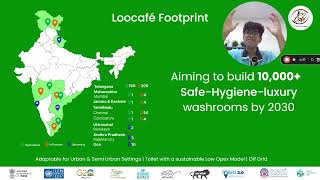
A 5-minute pitch about LooCafe

India's First Luxury Washrooms (V6 News)

Unique Public Toilet Initiative
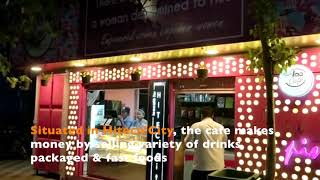
Loo Cafe..Tea, Toast and Toilet

GHMC Launches Luxury Washrooms

Hyderabad Sets Up Loo Cafe