
Case Studies1 min read
Lumbini Park, Hyderabad
The public installation is the Lumbini Park unit, inaugurated in September 2026.
Expert perspectives on sustainable sanitation, water technology, and urban infrastructure
The public installation is the Lumbini Park unit, inaugurated in September 2026.

With MoHUA announcing 29,000 modern aspirational toilets across 3,920 municipalities, India has a historic opportunity to redefine sanitation. But aspirational toilets must do more than look modern—they must treat waste safely onsite, recycle water, and eliminate the environmental burden. Circular sanitation is the answer.

Every time we flush, we assume the problem has disappeared. In reality, each flush sends liters of precious drinking water down the drain and pushes untreated waste into the environment. India needs a Toilet 2.0 revolution: circular toilets that treat waste at source, recycle water, and recover resources.

Sanitation is a human right, but standard designs often exclude women and the vulnerable. How inclusive design and gender-sensitive policy are changing the landscape.

Why centralized sewerage is not the only answer. Exploring the shift towards FSM and non-sewered sanitation systems for sustainable Indian cities.

How innovative PPP models are unlocking capital and efficiency in urban sanitation, drawing on successful frameworks and governance strategies.

An in-depth technical analysis of zero-discharge toilet technology, covering MBBR, UV disinfection, membrane filtration, and the engineering principles that make waterless sanitation possible.
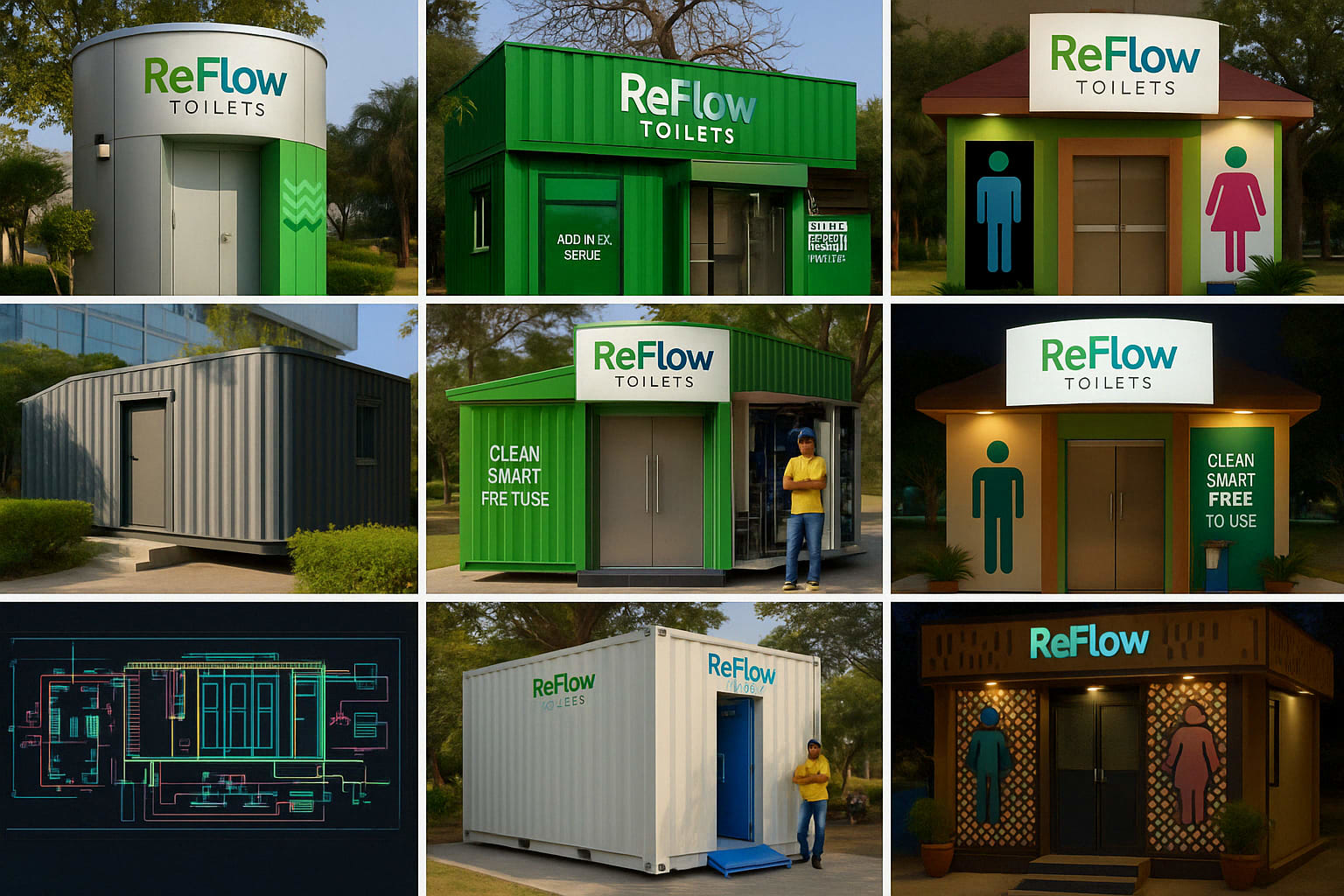
A comprehensive cost analysis revealing why traditional public toilet models are economically unsustainable, with real data on government spending, maintenance failures, and alternative solutions.
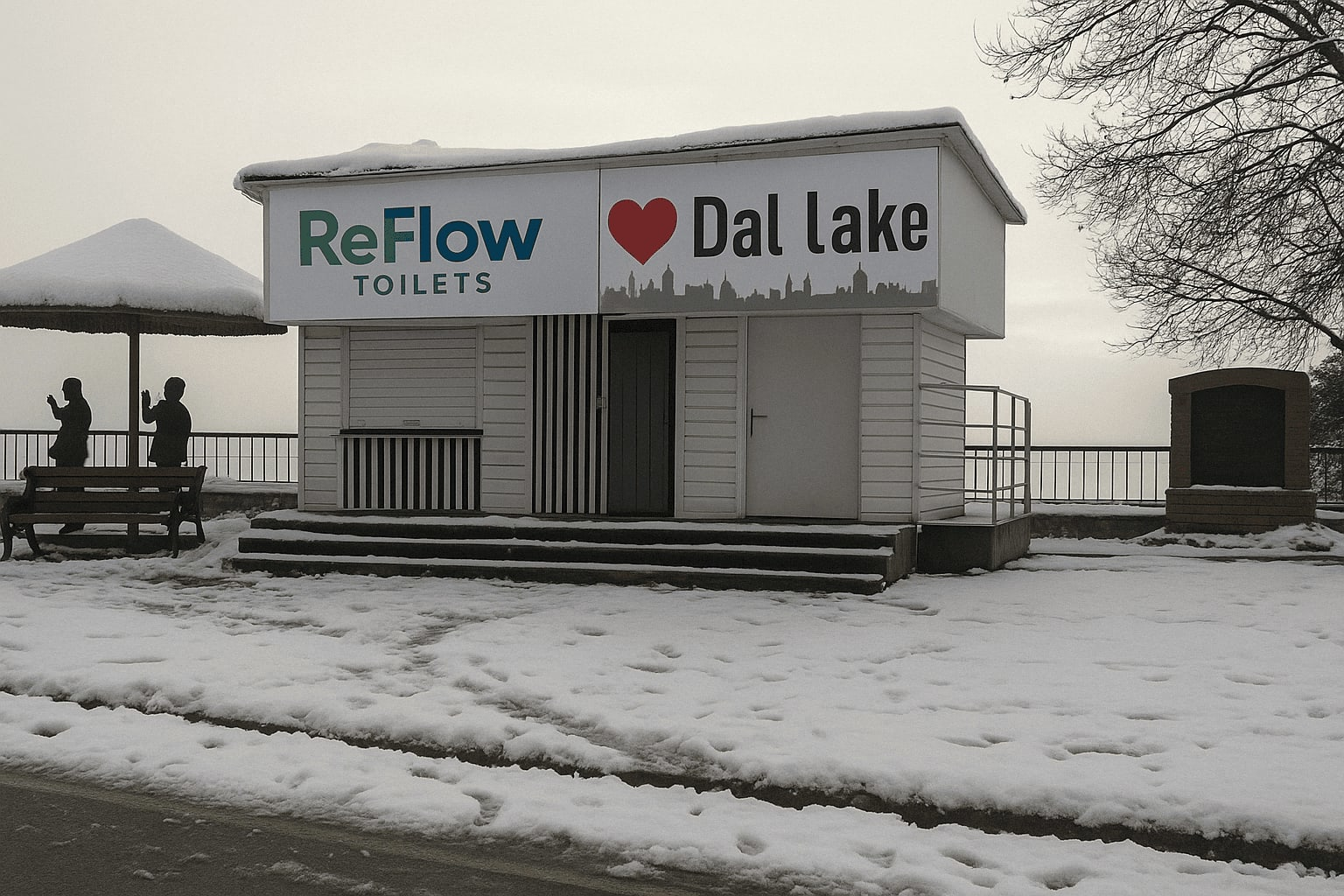
How decentralized, water-recycling toilet systems address global water scarcity while providing dignified sanitation—without requiring municipal water supply or sewerage networks.

How Internet of Things sensors, predictive maintenance, real-time monitoring, and data analytics are transforming public toilet management—reducing costs, improving service, and creating sustainable sanitation infrastructure.
Schedule a consultation to discuss how ReFlow's zero-discharge systems can benefit your municipality.