B-CRT
The largest scale deployment of the most advanced public toilet in the world.
Blackwater Circular Reinvented Toilet. 8-stage treatment. Zero discharge. ISO30500 compliant. 4.05kWp solar capacity. 72+ hours off-grid autonomy. Reinvented Toilet technology. Patent Application No. 299563
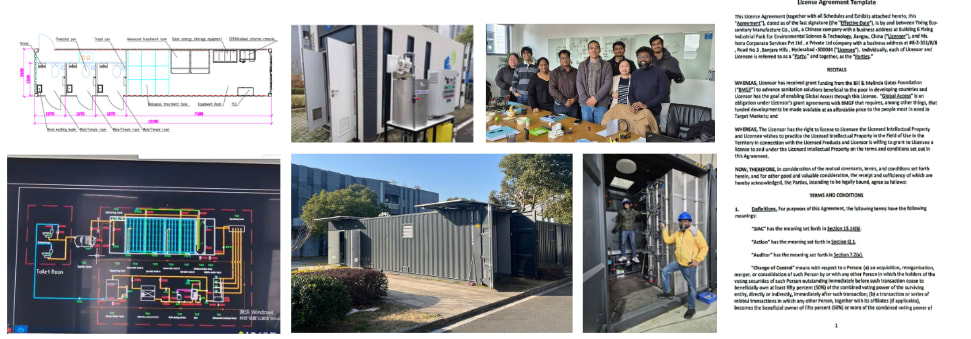
See B-CRT in action.
Watch how our 8-stage treatment process transforms waste into safe water - all within a 40-foot container.
4-minute overview of the complete B-CRT treatment process
The sanitation challenge.
Traditional public sanitation infrastructure faces critical limitations in water-scarce urban environments.
₹85K
Annual operating cost
Traditional systems require continuous water supply, grid electricity, and sewage infrastructure. Maintenance, water bills, and disposal costs average ₹85,000 annually per unit.
100%
Discharge contamination
Untreated or partially treated wastewater discharge violates Coastal Regulation Zone (CRZ) requirements and contaminates groundwater in water-stressed regions.
6 months
Construction timeline
Built infrastructure requires extensive civil work, sewage connections, water supply lines, and electrical installation. Deployment takes 6+ months per location.
Why districts choose B-CRT.
Built on global "Reinvent the Toilet" initiatives. ISO30500 compliant. Verified by Georgia Tech Research Institute. Managed by Ixora Group's 15-year operating experience with 270+ LooCafe locations.
98% water reduction
Near-complete water recycling after initial 10,000L charge. Annual savings: 420,000-600,000 liters per unit. 65% energy reduction vs conventional systems.
55% lower operating costs
Solar-powered operation. Zero sewage fees. Sludge extraction only every 9-12 months. Class A Biosolids end product per EPA standards.
Zero discharge
Complete elimination of sewage system dependencies. Meets coastal city CRZ regulations. No groundwater contamination. ISO30500 water quality output.
Built for every environment.
Two container sizes. Multiple deployment configurations. Customized for your specific needs.
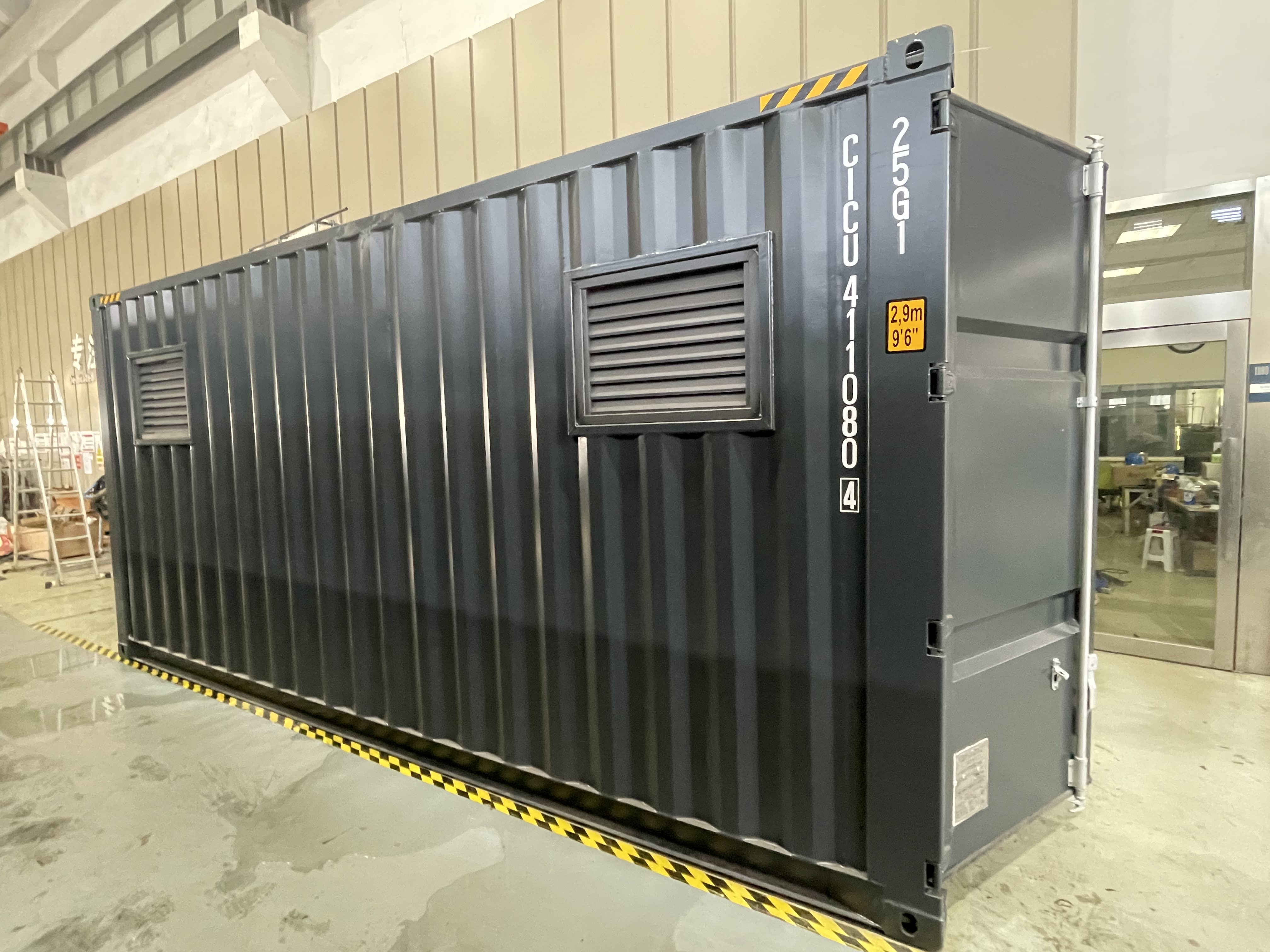
20-foot Compact
Space-constrained locations, heritage sites, narrow urban plots. Full treatment capability in half the footprint.
- 3 cubicles
- 150+ users daily
- Ideal for tight spaces
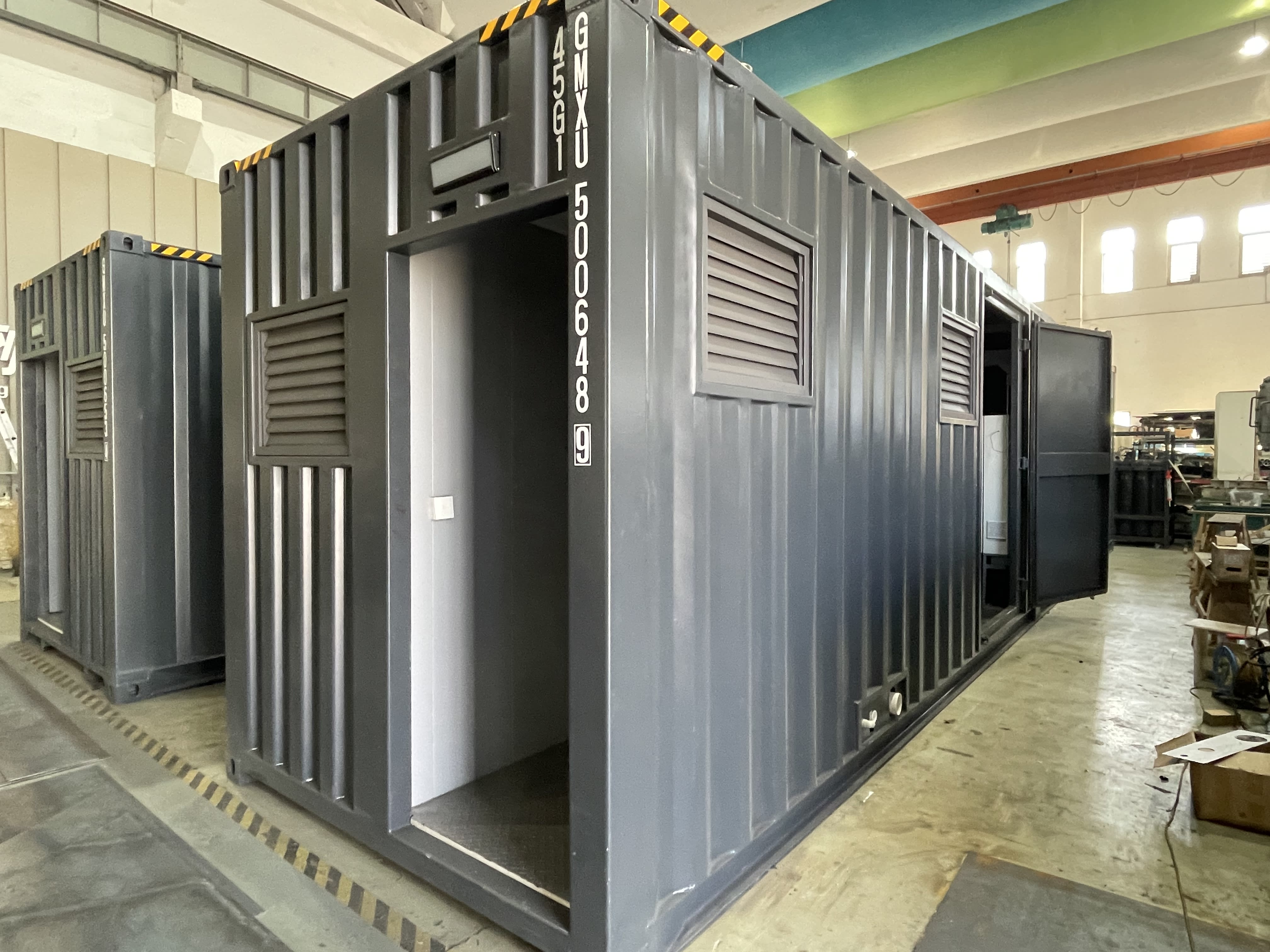
40-foot Standard
High-traffic public areas, schools, parks, transit hubs. Maximum capacity with full amenities.
- 6 cubicles
- 300+ users daily
- Commercial space included
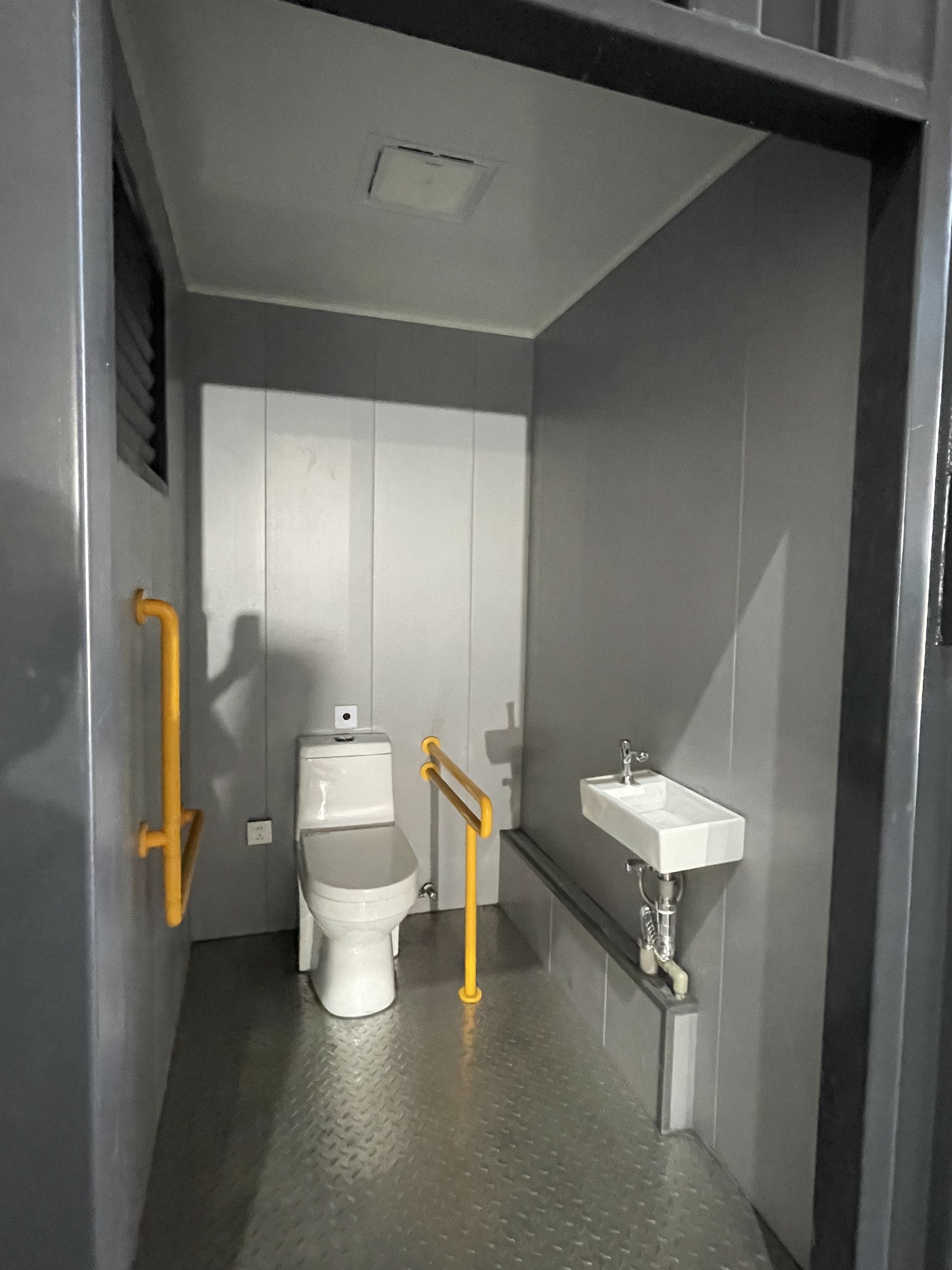
Universal Access
Every cubicle designed for accessibility. Safety grab bars, adequate space, and barrier-free entry.
- ADA-compliant design
- Safety grab bars
- Individual ventilation
Built for rapid deployment.
Manufactured by Eco-san (Yixing Eco-sanitary Manufacture Co., Ltd.) — our technology commercialization partner for containerized sanitation systems. Each unit is factory-assembled and road-transportable.
Containerized design
- 40-foot or 20-foot ISO container options
- Marine-grade stainless steel internals
- Truck-transportable to any accessible location
- Operational within days, not months
User capacity
- Up to 6 accessible cubicles per unit
- Serves 300+ users daily
- Individual ventilation systems
- Commercial space for revenue generation
Energy independence
- Integrated solar power system
- Battery storage for multi-day operation
- 72+ hours off-grid autonomy
- Optional grid backup connection
Smart monitoring
- Real-time IoT sensor network
- Multi-tier dashboard access
- Predictive maintenance alerts
- Secure, encrypted communications
Advanced treatment. Simple outcome.
Our proprietary 8-stage biological treatment process transforms blackwater into ISO30500-compliant reusable water. Near-complete water recovery. Zero liquid discharge. No sewage connection required.

Complete treatment cycle: Blackwater in → ISO30500 reusable water out
Biological treatment
Multi-stage anaerobic and aerobic processing breaks down organic matter naturally. Dramatically reduces sludge volume compared to conventional systems.
Physical filtration
Advanced membrane ultrafiltration removes suspended solids and bacteria. Crystal-clear water output with near-complete turbidity removal.
UV disinfection
Chemical-free UV-C treatment eliminates pathogens. Achieves ISO30500 safety standards without harsh chemicals or complex processes.
Water recycling
Treated water is stored and recirculated for toilet flushing. Near-complete water recovery after initial system charge. True zero-discharge operation.
Request detailed specifications
Complete treatment process documentation, equipment specifications, and performance data available upon request. Contact our team for technical briefing.
Certified water quality.
Every B-CRT unit meets ISO30500 non-sewered sanitation standards. Independent laboratory testing by NABL-accredited facilities confirms consistent compliance across all parameters.
ISO30500 Certified
World's first TÜV SÜD certified containerized sanitation system. Meets international standards for non-sewered sanitation safety and performance.
Independent verification
Quarterly testing by NABL-accredited laboratories. Performance consistently exceeds regulatory requirements by significant margins.
Georgia Tech verified
Technology validated by Georgia Tech Research Institute. Comprehensive performance evaluation across all treatment stages.
Request lab reports
Complete water quality test reports and ISO30500 certification documentation available upon request for procurement evaluation.
B-CRT Unit #1 at Lumbini Park, Hyderabad
Hyderabad's first zero-discharge public toilet. Official launch with government officials and stakeholders.
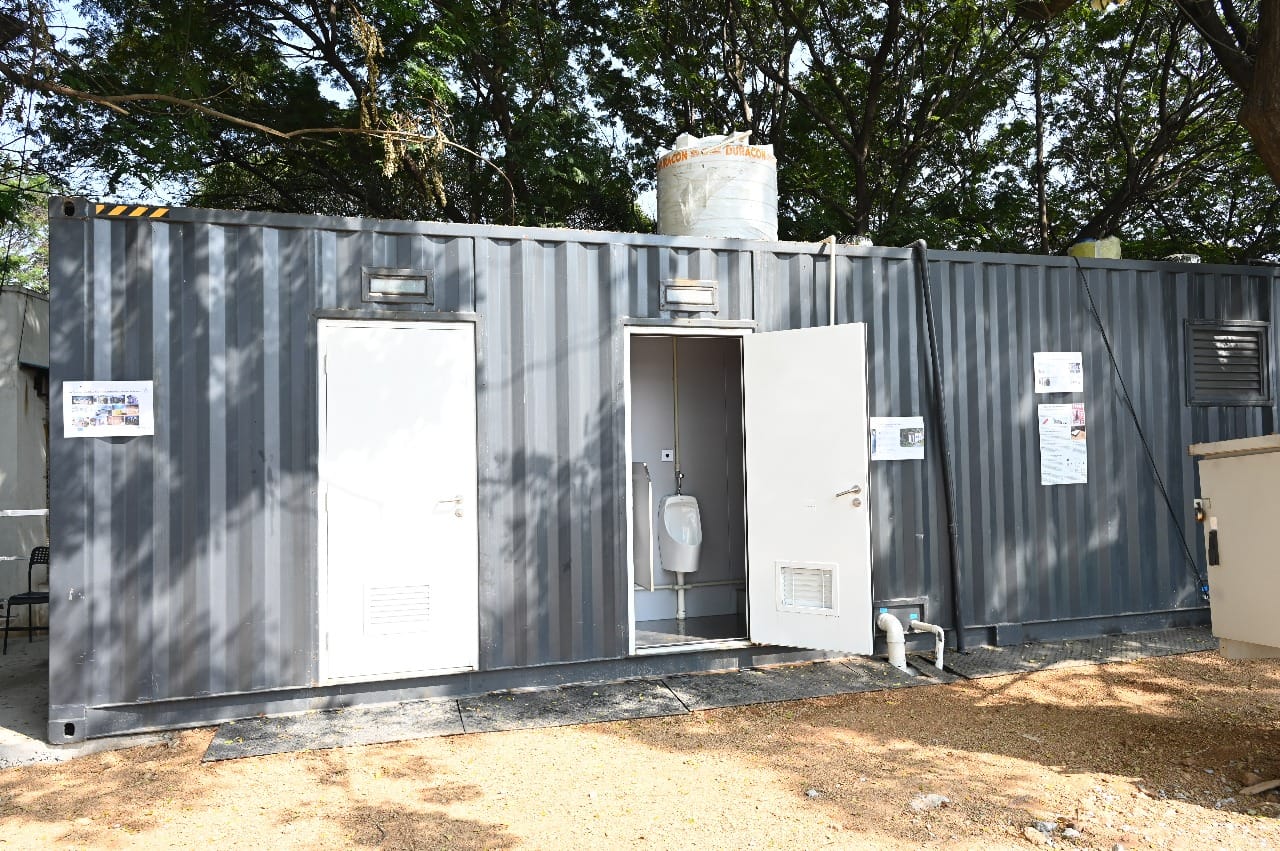
B-CRT Unit Exterior - Container-based toilet facility at Lumbini Park
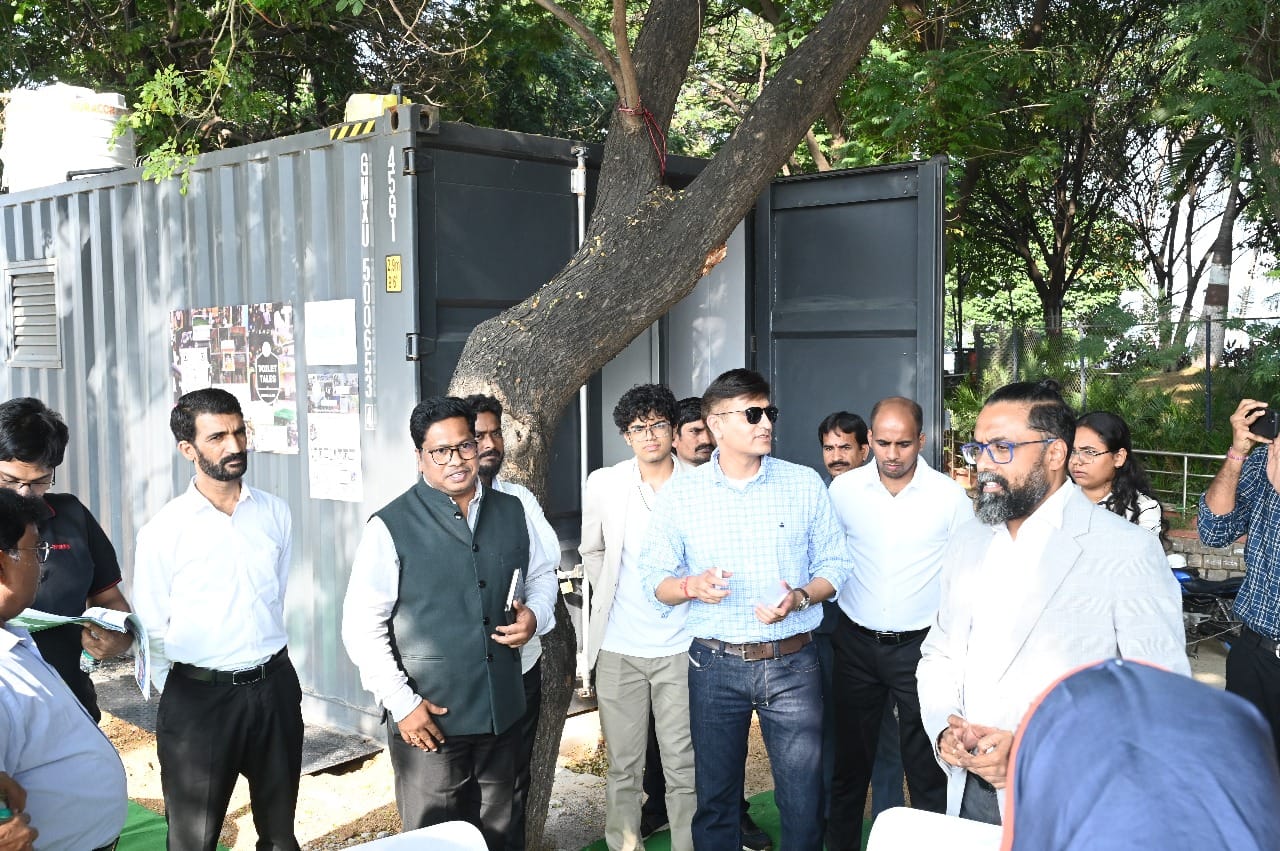
Launch Event - Officials and dignitaries inspecting the B-CRT unit
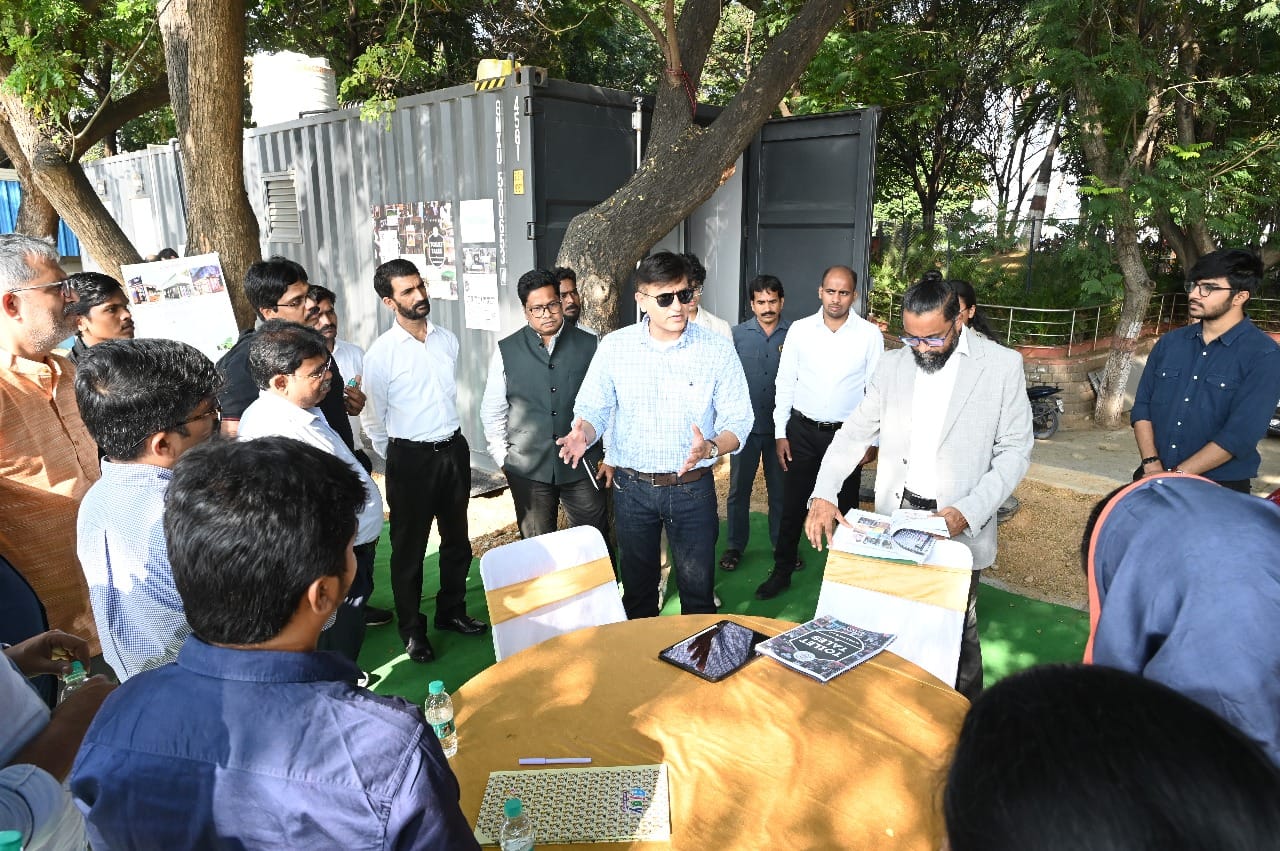
Technical Presentation - ReFlow team demonstrating B-CRT technology
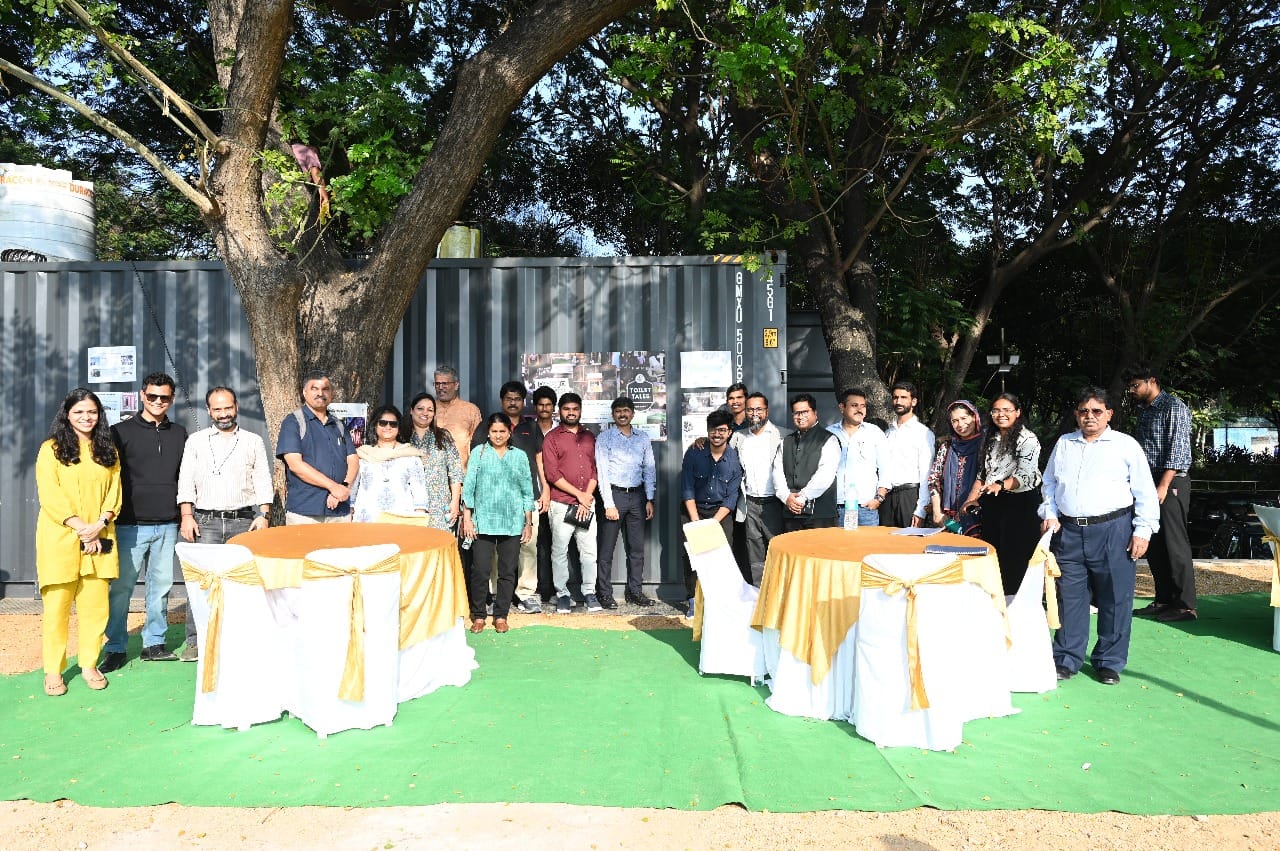
Launch Team - Stakeholders and partners at the inauguration
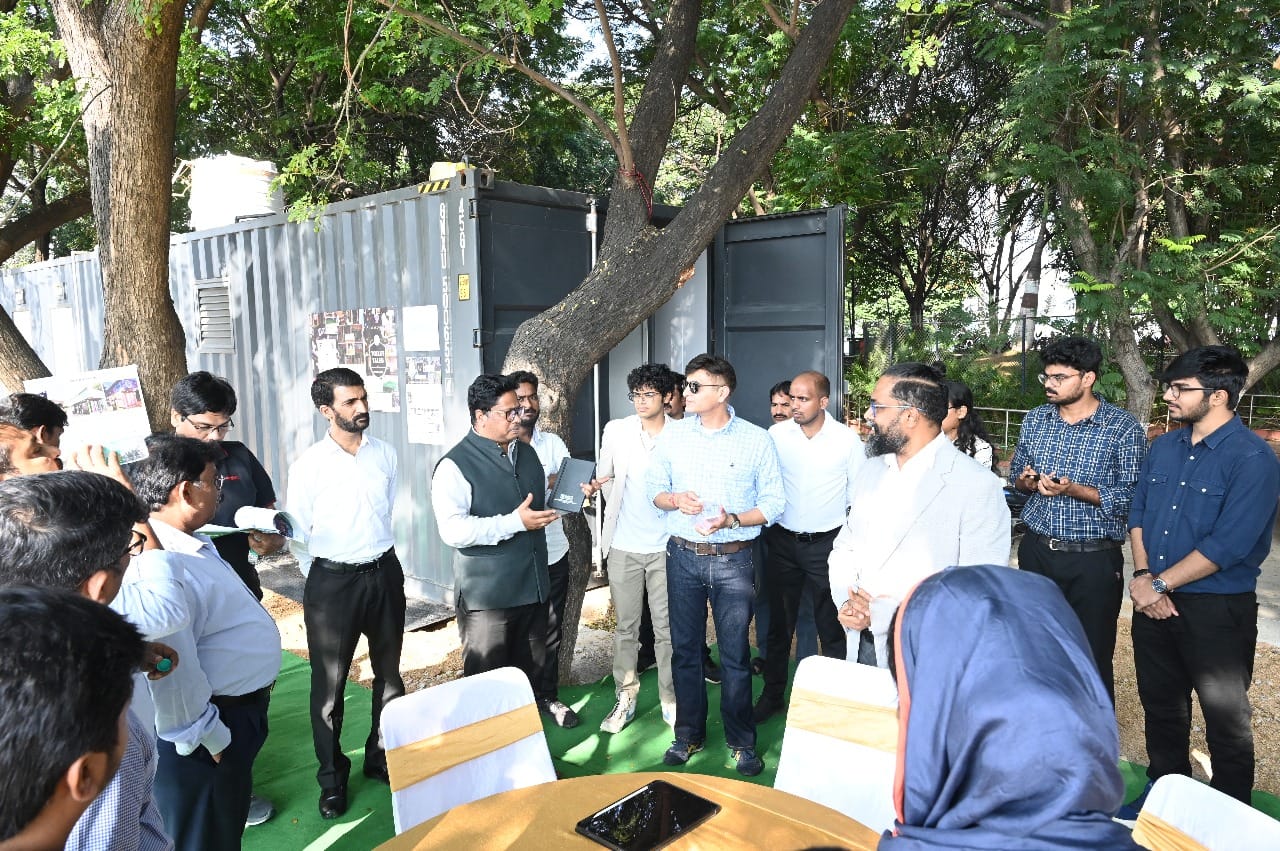
Stakeholder Engagement - Discussion with government representatives
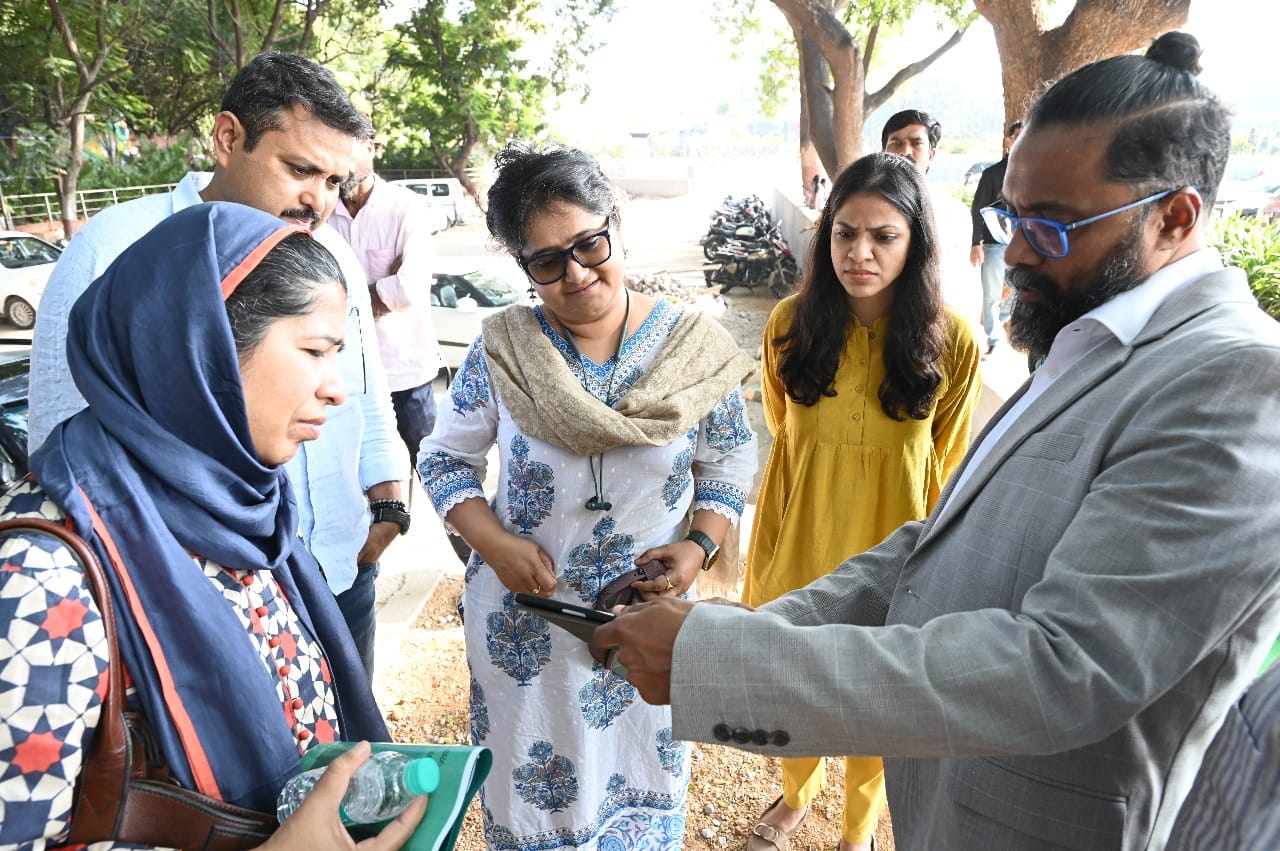
Launch Ceremony - Official inauguration of B-CRT at Lumbini Park
See B-CRT up close.
Real photos from Eco-san manufacturing facility and deployment sites across India.
20-foot B-CRT - Compact variant for space-constrained locations
40-foot B-CRT - Full-size unit with 6 accessible cubicles
Accessible Cubicle Interior - Universal design with safety grab bars
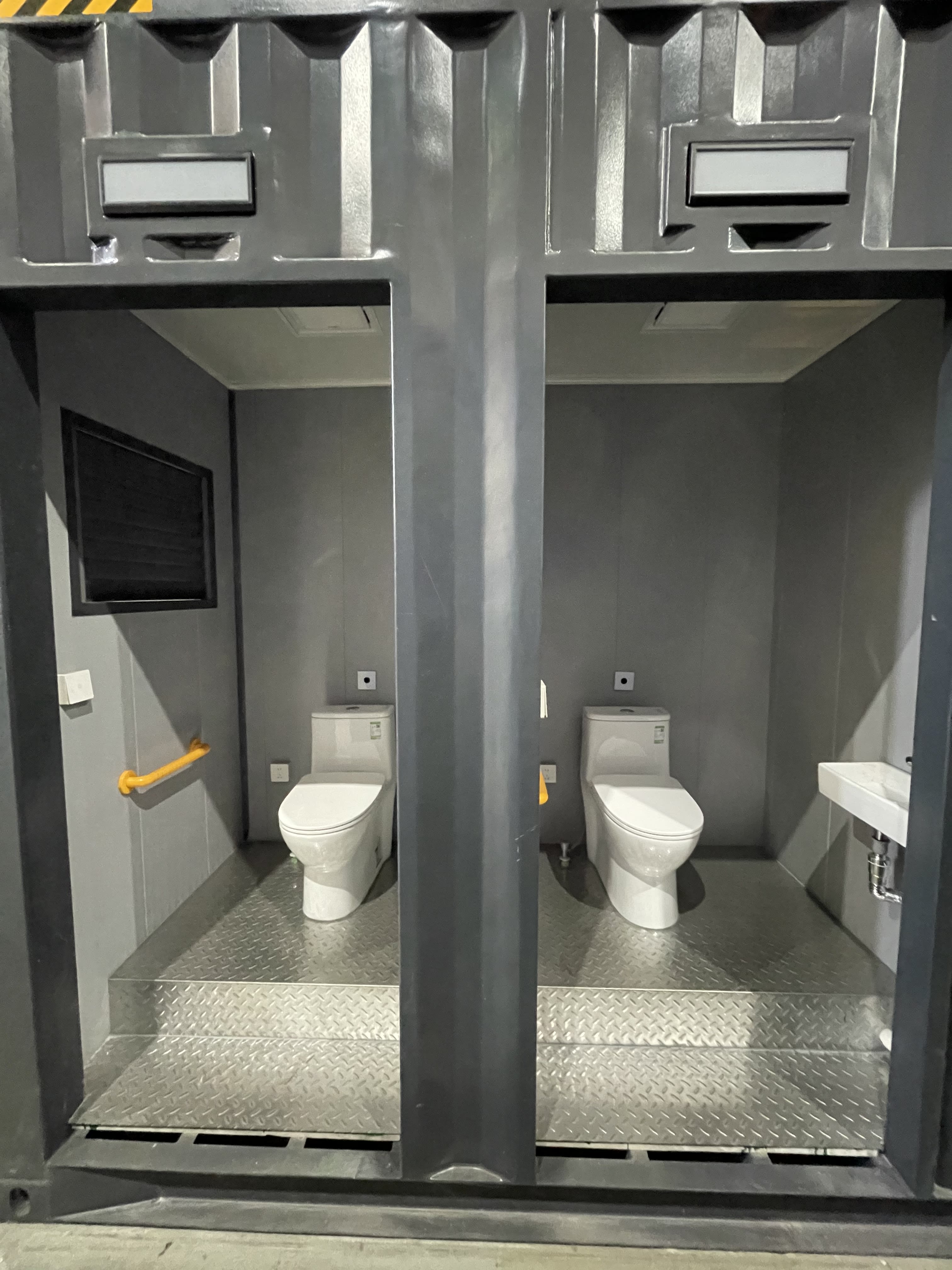
Cubicle Access - Individual ventilation and entry doors
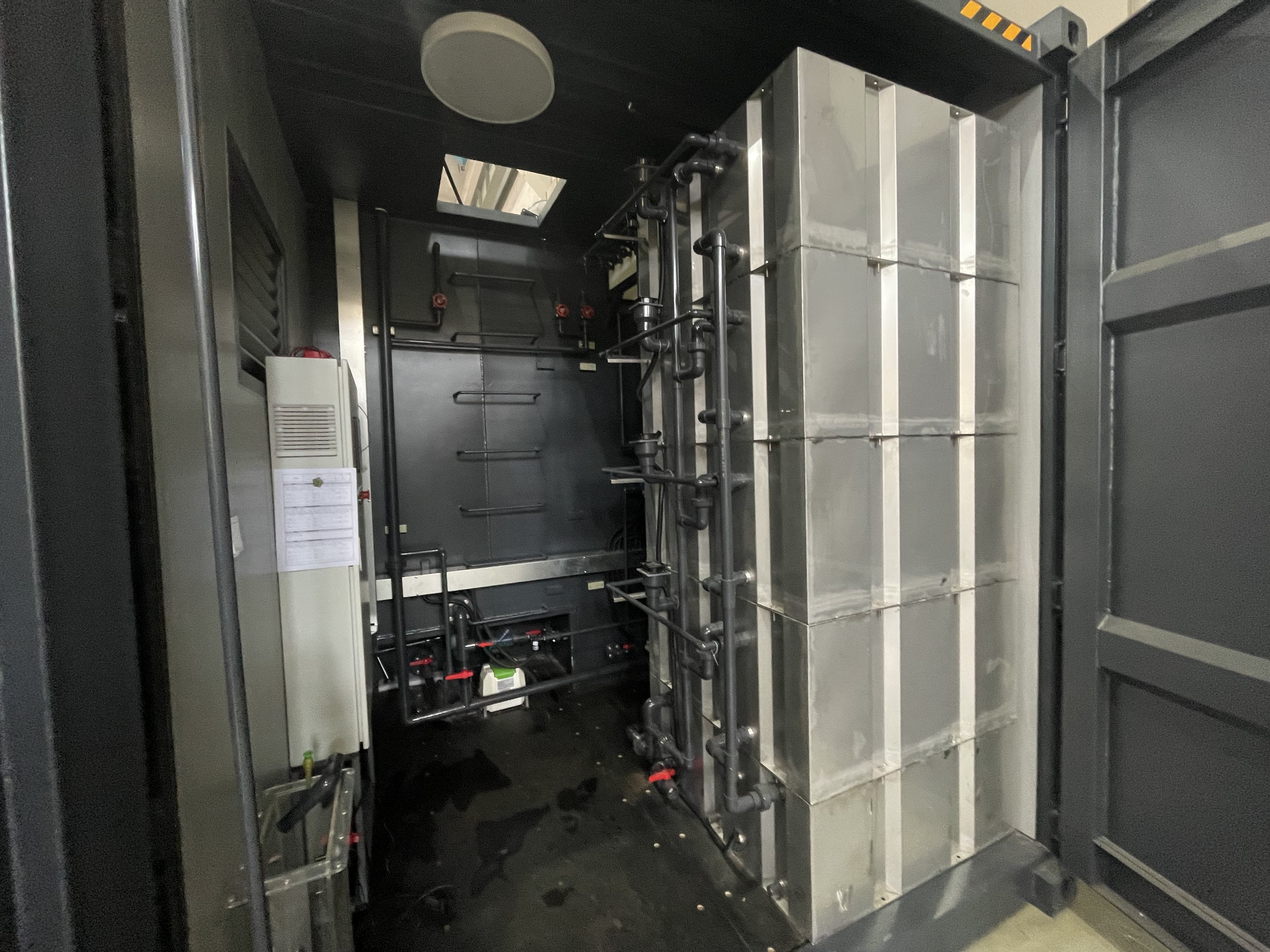
Treatment Room - Stainless steel tanks and control systems
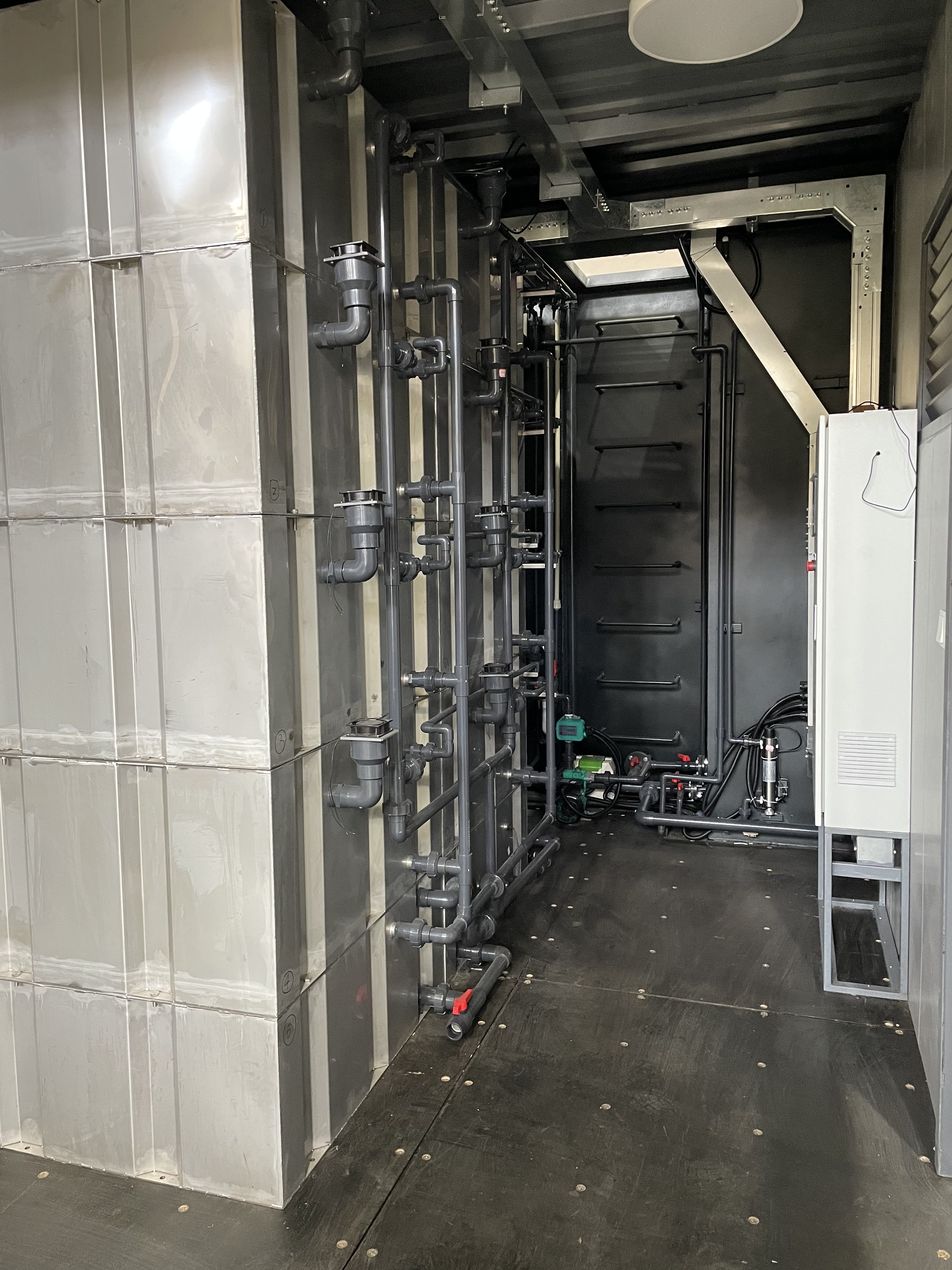
8-Stage Treatment System - Complete water recycling infrastructure
Why districts choose B-CRT.
The only ISO30500-certified containerized sanitation system available for deployment in India. Built on proven technology from the global Reinvent the Toilet initiative.
Deploy in weeks, not years
Factory-assembled by Eco-san and road-transportable. Operational within days of delivery. No civil construction or sewage infrastructure required.
Works anywhere
Off-grid solar power with multi-day battery backup. Ideal for coastal zones, heritage sites, slums, and areas without sewage infrastructure.
Zero liquid discharge
NO sewage connection. NO groundwater contamination. Meets Coastal Regulation Zone (CRZ) requirements. Compliant with Liquid Waste Management Rules 2024.
Proven operations
Managed by Ixora Group with 15+ years operating experience and 270+ LooCafe public sanitation locations across India.
Common questions.
How long does deployment take?
Units are factory-assembled and delivered ready for operation. From site preparation to commissioning takes days, not months. Full operational status within a week of delivery.
What about maintenance?
Managed by Ixora Group's trained operations team with 15 years of public toilet management experience. Remote IoT monitoring enables preventive maintenance. Sludge removal required only a few times per year.
Can it work without grid electricity?
Yes. Integrated solar power system with battery backup provides 72+ hours of off-grid autonomy—sufficient for monsoon seasons. Optional grid connection available as backup.
What certifications does it have?
ISO30500 certified by TÜV SÜD—the world's first containerized system to achieve this certification. Technology validated by Georgia Tech Research Institute.
Is financing available?
Various deployment models available including direct purchase, lease, and revenue-share arrangements. Contact our team to discuss options suitable for your procurement framework.
Who manufactures the units?
B-CRT units are manufactured by Eco-san (Yixing Eco-sanitary Manufacture Co., Ltd.), our technology commercialization partner for containerized sanitation systems with proven deployments across Asia.
See the system in operation.
Visual overview of the 8-stage treatment process, containerized system layout, and operational features. Pilot deployment footage from Hyderabad & Navi Mumbai.
Technology Rights & Global Access
ReFlow Toilets builds on decades of Gates Foundation-funded research into reinvented toilet technologies. Our systems integrate innovations developed through the Reinvent the Toilet Challenge, adhering to the foundation's Global Access commitment to ensure affordable sanitation reaches underserved communities worldwide.
Reinvented Toilet Initiative Timeline
Reinvent the Toilet Challenge Launched
Gates Foundation invests $200M+ to spur creation of new toilet technologies for 3.5 billion people lacking safe sanitation. Global Access commitment established.
ISO 30500 Standard Published
International voluntary product standard for non-sewered sanitation systems established, defining safety and performance requirements.
Commercial Licensing Begins
25+ innovations available for licensing. Samsung announces royalty-free patents for developing countries. Georgia Tech files 5 provisional patents for G2RT.
First Commercial License Partners
LIXIL becomes first commercial license partner for Georgia Tech G2RT technologies. Duke's Reclaimer licensed to Indian company for 2024-2025 pilots.
ISO 30500 Revised Standards
Updated ISO 30500 standard published with enhanced performance requirements. India's BIRAC continues funding Indian researchers through "Reinvent the Toilet Challenge: India."
B-CRT Launch (Q4 2026)
ReFlow B-CRT system deployment begins, integrating Gates Foundation-supported innovations with ISO 30500 compliance and Global Access principles.
Technology Licensing Structure
Research Institutions
Universities (Georgia Tech, Duke, etc.) develop core technologies with Gates Foundation funding. Technology transfer offices manage patent portfolios and commercial licensing.
Global Access Commitment
Foundation retains nonexclusive license to ensure funded innovations reach underserved markets. Licensees commit to affordable pricing in developing countries while commercializing in developed markets.
Commercial Partners
Licensed manufacturers (LIXIL, Samsung, Indian partners) produce and deploy systems. Partnerships include technology transfer, quality standards, and market-specific adaptations.
Geographic Deployment
No global exclusive territories. Multiple licensees can operate in same markets. India receives special support through DBT/BIRAC collaboration with $2M joint investment.
ISO 30500 Certification
Voluntary international standard provides legal framework for safety and performance claims. Certified systems can be promoted to government agencies and public users.
Government Procurement
Municipalities and state governments procure ISO 30500-certified systems through standard bidding processes. Operational rights granted to government buyers, IP retained by manufacturers.
Intellectual Property & Licensing FAQ
Legal Note: This information is provided for general educational purposes regarding the Gates Foundation's Reinvent the Toilet Challenge and related intellectual property frameworks. It does not constitute legal advice. For specific licensing inquiries, contact the Bill & Melinda Gates Foundation Water, Sanitation & Hygiene program, Georgia Tech Office of Technology Licensing, or other relevant technology transfer offices. ReFlow Toilets integrates publicly available reinvented toilet innovations consistent with Global Access principles. All product claims regarding ISO 30500 compliance are subject to independent third-party certification.
Sources & Further Reading
Deploy in your district.
Pilot unit operational in Hyderabad. 4 additional units deploying over the next 3 months. Schedule a 45-minute technical consultation with our water treatment engineers.
Includes complete engineering specifications package, district site assessment, and deployment timeline planning.